
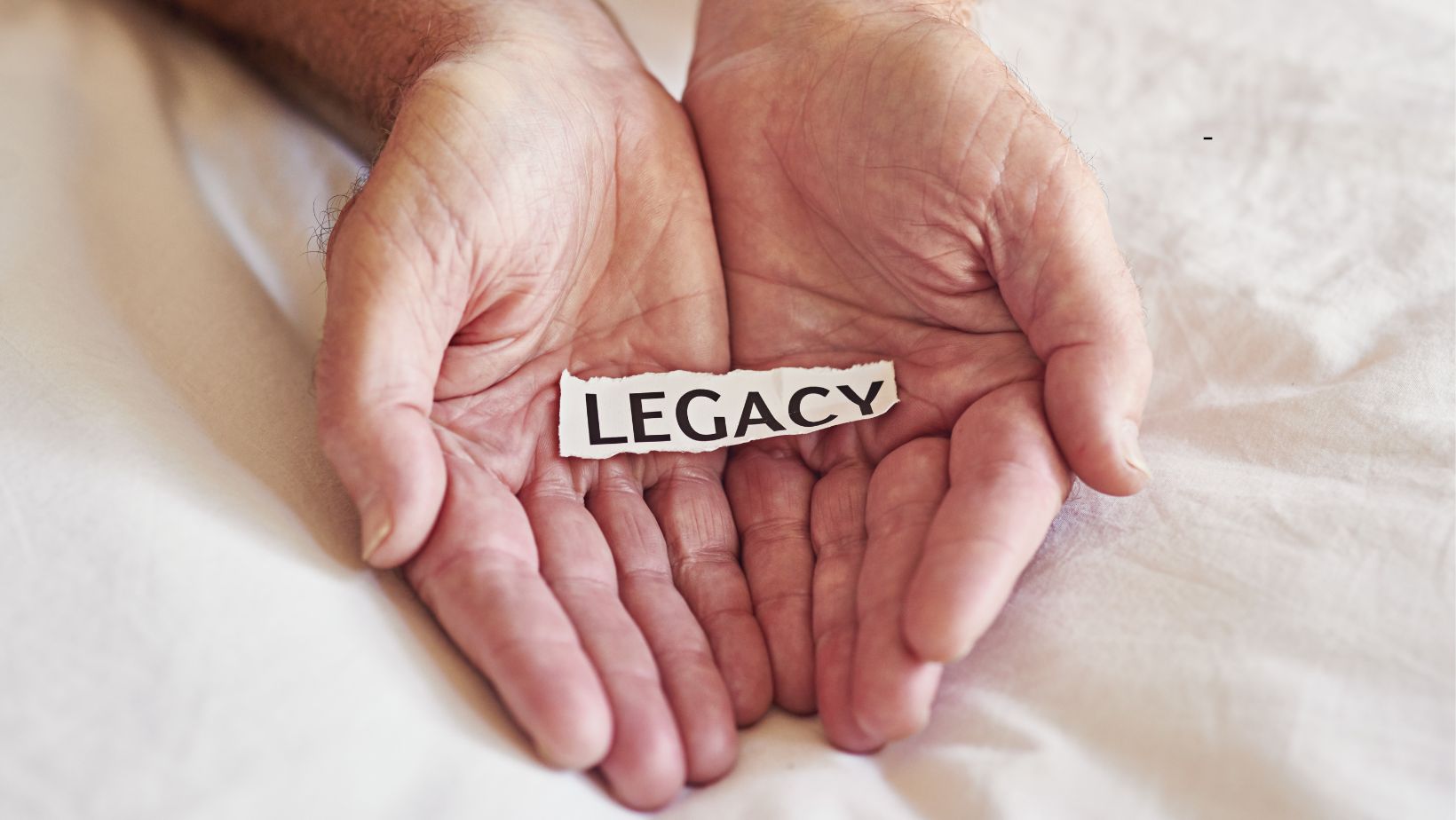

Wealth is more than just numbers in a bank account—it’s a reflection of your values, vision, and purpose. But how do you ensure your wealth aligns with your values and creates a lasting legacy?
The Legacy Equation
A lasting legacy balances three critical components:
- Values: The principles and priorities you want to preserve across generations.
- Wealth: The resources to support your family’s aspirations and philanthropic goals.
- Structure: The tools and systems that ensure your legacy is carried out effectively and sustainably
When these three elements are aligned, your wealth isn’t just preserved—it becomes a force that unites your family and drives meaningful outcomes for future generations.
Steps to Build a Legacy That Reflects Your Values
- Define Your Vision: What change do you want to see in your family or community? For example, do you want to fund education, support entrepreneurship, or promote philanthropy?
- Select the Right Tools: Choose between foundations, donor-advised funds (DAFs), or direct giving based on your goals and resources
- Prepare the Next Generation: Educate your heirs not just about money but about stewardship and responsibility. Share your journey, mistakes, and strategies for success
- Measure and Evolve: Regularly evaluate your legacy initiatives and refine your approach as your family grows and changes
Final Thought
A true legacy empowers your heirs, aligns with your values, and stands the test of time. By taking the time to align your wealth with your purpose, you can create a legacy that inspires and impacts generations to come.
